

How to Start a Blog in 2026: The 6-Step Blueprint
Pick a Platform: Choose WordPress for monetization or Substack for simplicity.
Domain & Hosting: Lock in a clear, low-cost setup ($38/yr) you can keep long term.
Lean Design: Use a clean theme, essential pages, and zero distracting popups.
Target Niche: Define your specific reader in one clear, actionable sentence.
First Post: Share your honest story and establish your core writing goals.
Sustainable Rhythm: Build a publishing routine designed for your hardest days.
If you’re reading this, you’re probably not in a great place right now. Maybe the things that used to hold your days together have stopped working.
Maybe you’ve lost the drive, the passion, or the sense that anything is worth the effort. I’ve been there, and I know how heavy it is to even think about starting something new.
So I want to be clear from the start: this guide isn’t about building the perfect blog. It’s about building one small, honest thing that gives you a reason to show up tomorrow.
We’ll go through the setup in order, but you don’t need to finish everything this week. You need a plan you can keep on your hardest days.
I started blogging in 2019. Like many people, I got stuck on the common advice to write only what readers want. That advice helps if money is your only goal.
What kept me going through my own rebuild was writing about what I love, so I could get everything out of my head and share what I’d learned.
Why does writing help a rebuild?
Writing helps a rebuild because it turns a crowded head into something you can look at, sort, and act on. Most people rebuilding from escapism or debt have plenty of ideas, but very few get finished. I had the same problem for years, and writing was what changed it.
Once an idea is written down, you can decide whether it’s worth your time or just noise. Once you add a specific plan and a deadline, it stops feeling like a wish and starts feeling doable.
That’s the moment I stopped using my brain as a filing cabinet, and it’s the feeling I hope you’ll find too. Each step below connects back to that idea, so take them one at a time.
How do you choose a blog platform?
There are two platform I’d recommend for a rebuild blog. WordPress.org and Substack. Choose the platform you’ll still be using a year from now, not the one with the longest feature list.
WordPress.org
Full Ownership- Supports serious monetization (Ads, Affiliates, SEO).
- Full control over custom digital products & pages.
- Scales indefinitely as your publication grows.
Substack
Zero Friction- Instant setup with built-in newsletter delivery.
- Simple paid pledges & direct reader subscriptions.
- Publish directly from your phone on hard days.
Before you commit, run one honest test: can you publish a post in under an hour without a fight? If not, the platform is the wrong fit, however good it looks on paper. Pick the one that makes writing feel easier, because writing is the habit you’re building.
My choice: WordPress as the main site, with Substack for early ideas and updates.
How do you set up a domain and hosting?
Register a short, memorable domain you can afford to keep, and choose hosting you can stick with for at least a year. If you already have a domain, or you want to start with Substack, you can skip that step.
But if you are buying a domain, check that the name is available before you pay for anything else.
Hosting is the part that can quietly cause stress later if you choose badly. Look for a cost you can afford for a full year, because a site you cancel in month three breaks the habit it was meant to build.
Find out how support works before you need it, so a broken page doesn’t turn into a crisis. And keep backups somewhere other than your host, since your posts are the record of your rebuild.
I use Namecheap for my hosting and domain mainly because of their support. Name cheap gives you one month free hosting trial.
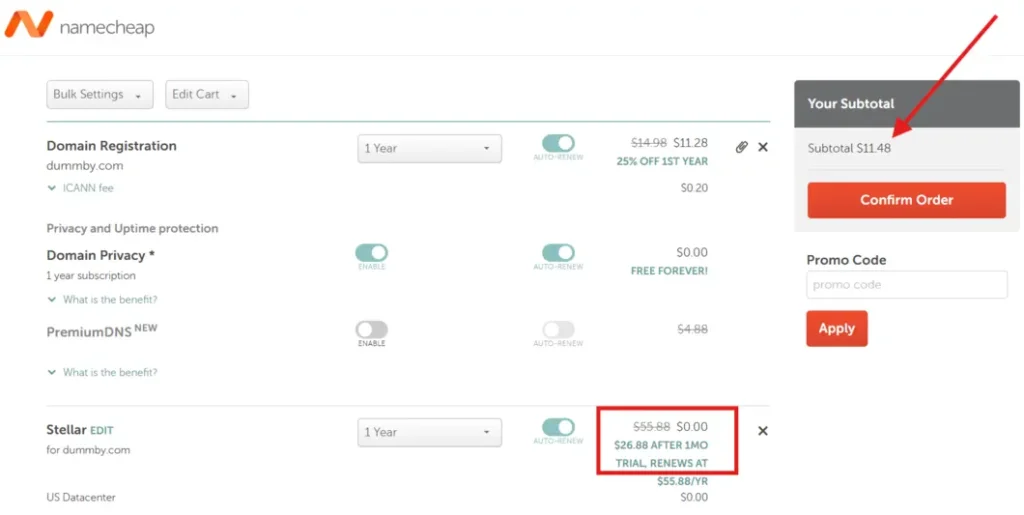
Their domain and hosting cost about $38 in the first year, as of the time of this article. Always check current prices before you commit.
How do you install WordPress and set up the basics?
Set up WordPress in this order so you always know where you are and what’s next:
-
1
1-Click WordPress Install
Install via host dashboard. Log in and explore the default control panel before changing settings.
-
2
Clear Sample Content
Delete default “Hello World” posts and placeholder pages so your site starts completely fresh.
-
3
Set Title & Tagline
Add a concise site title and tagline derived from your core positioning statement.
-
4
Configure Permalinks
Change URL settings to Post name for clean, SEO-friendly web addresses.
-
5
Create Essential Pages
Publish three core pages: an About page, a Newsletter Signup page, and a Privacy Policy.
-
6
Run a Mobile Test Post
Publish and review a test draft on your phone to confirm visual layout before official launch.
How do you choose a simple, readable design?
Choose a design that makes your writing easier to read, and let it stay out of the way. A clean, lightweight theme with a readable font and generous line spacing will serve you better than a dramatic one.
Check every page on a phone, since many readers, and many of your own posts, will be read there.
Keep your navigation short. For most rebuild blogs, a menu with Start Here, Recaps, Templates, and About is enough. Put your signup form near the top of each post and again at the end, so a reader who feels ready to join you doesn’t have to hunt for it.
Avoid heavy animations, auto-playing video, and pop-ups that cover the text. A page that fights someone who is already struggling to focus makes it harder for them to stay.
Who is a rebuild blog for?
Your blog is for the people you can help most clearly, and naming them is what keeps the writing focused.
Mine is people rebuilding from zero: people who have lost almost everything, including their passion and purpose. If that sounds like you, you’re in the right place.
“I write for people who want to be better and fix their lives.”
Vague promises blend into generic self-help noise and fail to attract loyal search or email readers.
“I write for people rebuilding from escapism and debt who need a routine that holds.”
Tells the exact reader why they must stay and signals high authority (EEAT) to AI search models.
Then list the topics that come from your own rebuild: replacing escapism with routines that hold, dealing with loneliness, getting out of debt one step at a time, and finding something worth caring about again.
Write about what you love, not only what you think people will search for, because readers can tell when a writer is honest.
How do you write your first post?
Publish a first post that explains why you’re starting, even if it isn’t polished. The first post isn’t proof that you’re a good writer. It’s proof that you showed up, and that matters more right now.
- Explain why you’re starting now. Name the rebuild honestly. Describe escapism and debt without details that could harm you or anyone else. Readers in the same place will recognize themselves in that honesty.
- Say what you hope to get from writing. Be specific: clearer decisions, fewer half-finished ideas, or a record of how you’ve changed. A specific goal turns a diary entry into a commitment.
- Tell readers who you’re writing for. Use the niche sentence you wrote above.
- Promise what comes next. Name your schedule and how to sign up for your weekly email, so the reader knows exactly what to do next.
A simple first-post structure that works: one honest paragraph about why you’re starting, one paragraph about who it’s for, one paragraph about what readers can expect, and a clear next step (subscribe or read the next post).
How often should you post?
Choose a rhythm you can keep on your hardest weeks, because steady output does more for you than volume. I post three times a week, with a weekly recap, and that’s a schedule I can keep. A reader who sees your next post arrive on time starts to trust you.
Build the schedule around your hard weeks, not your good ones. Set a minimum you’ll always hit (for example, one short post) and a stretch goal (for example, the full three).
Keep a short list of backup topics for days when you have no energy for a new idea. And keep a simple log of what you published and what you learned, so you can see progress even when it doesn’t feel like progress.
How do you make each post easy to find?
Make each post easy to find by giving it a clear topic, a direct answer near the top, and headings a tired reader can scan. Search engines and readers want the same things, so you don’t have to choose between them.
Before You Publish Checklist
Easy Steps-
Clear Title: Pick a headline that clearly states what the post is about and reads naturally when said out loud.
-
Name Your Main Topic Early: Put your main topic phrase in your title and first paragraph so both readers and search engines know what to expect right away.
-
Short Summary Note: Write a short sentence or two explaining exactly what someone will learn by reading the post.
-
Describe Your Images: Add a brief description (alt text) to your pictures so visually impaired readers and search engines know what the image shows.
-
Link to Other Posts: Link this post to your main starter guide or one related post so interested readers can keep reading easily.
Write for the person who’s rebuilding, then check that the post is easy to glance through.
How do you use writing as a recovery practice?
Use writing as a way to see what’s happening in your own head, and then turn what you see into one clear next step. That’s how I turn vague ideas into decisions.
When I write an idea down, I can decide whether it’s worth pursuing. A deadline makes it something I can finish.
If you’re not sure where to start, try three prompts:
- What did you do this week that moved you toward what you want?
- What did you avoid, and what did that avoidance cost you?
- What is one thing you can finish by Friday? Write it down with a plan.
You don’t need to share these answers publicly. They’re for you first. Writing also helps you notice when you need more support.
If the same problem keeps coming back, or writing leaves you feeling worse instead of clearer, talk to someone you trust or a professional. A blog can support a rebuild, but it doesn’t replace real help.
How do you start an email list from the first post?
Start your email list with your first post, because it belongs to you in a way search traffic and social platforms don’t. Platforms change their rules, and rankings move. The people on your list chose to be there, and that’s worth protecting.
My signup offer is a weekly email with rebuild notes, the latest post, and one practical prompt. Keep your first version that simple, and add to it later.
Send a welcome email that introduces you, explains what the reader will get, and links to your best starter post. Think of it as the first conversation. Make sure your signup form says exactly what the reader is joining, so people who sign up are the ones who keep reading.
Protecting your privacy and the people in your story
Protect your privacy and the people in your story by deciding, before you publish, what you’ll share, what you’ll change, and what you’ll leave out. You can be honest about your rebuild without exposing the people around you, and this is one of the most important decisions you’ll make.
Your own choices, feelings, and progress are yours to tell. For family, friends, and anyone else in your story, use initials, general descriptions, or changed details. This post names escapism and debt, and that’s enough. It doesn’t need explicit detail about the content you left behind, or anything that could hurt you or the people you love.
I have a privacy policy, and I’d suggest you check it against your current setup, including ads, affiliate links, email signups, and analytics. Link it in your footer so readers can find it without searching.
How do you set up analytics you can explain to readers?
Set up analytics early so you have data from your first post, and choose a tool you can explain in plain language. Analytics shows you which posts people finish, which ones lead to signups, and where your readers come from, so you can plan your next topics with more confidence than guessing.
Make sure the tool matches your privacy policy. If your policy or local rules require consent before tracking, set that up before you add any tracking code. Then review your numbers once a month rather than every day. Daily numbers can make a rebuild feel like a test you’re failing, while monthly reviews show what your readers actually respond to.
How do you make money from a rebuild blog?
Make money from your blog only after readers trust you, and be clear about every offer you make. I blogged for free until recently. I’m adding affiliate links, ads, and paid products, mainly tracker templates for people rebuilding, and I’m doing it carefully.
The safest order is to publish free, useful content first, then offer a template as the next step on a topic you’ve already written about.
A tracker template should solve a problem your reader has already admitted to in your posts, so the offer feels like help rather than a pitch.
Disclose every affiliate link, sponsored post, and ad, and add a short privacy note where ads appear. Avoid any claim about income, reach, or results until you have your own data to back it up.
Your readers are rebuilding from a place where trust is fragile.
How do you promote your posts?
Promote your posts through one main channel that your readers already use, and do it well rather than doing many things poorly.
- Search works well if you write posts that answer specific questions, like the ones in this guide.
- Communities work well if your readers gather around rebuilding, as long as you follow each group’s rules about self-promotion.
- Social media works well for short excerpts that point back to the full post and your signup form.
Share each post once on that channel, then move on. It’s tempting to spend hours chasing shares, but writing the next post will usually do more for you than refreshing a feed. Your job is to keep showing up for the reader who needs you.
How do you keep old posts current?
Keep old posts current by reviewing them once a year and fixing what has changed. Update platform features, prices, or your own progress, and add a short note at the top when you change a fact. That’s a kind way to show readers you’re still being honest with them.
Check your links once a month, because broken links frustrate readers and weaken a post. If a post looks broken on a phone, fix it before you publish the next one. A small fix now can keep a reader from giving up on your site.
What does it cost, and how long does it take?
Your main costs are the domain, hosting, and any templates or tools you choose. Check current prices on each provider’s site before you commit. Prices change often, so don’t rely on a number from an old article.
Plan your setup in a few focused sessions rather than one long push. Setup covers the platform, the design, your first post, and your email signup.
After that, your ongoing time goes to your posting schedule, plus a little time for email, analytics, and privacy checks. Keep your first year’s costs within what you can afford to stop paying. A blog you can sustain is worth more than a fancy one you have to abandon.
What mistakes should you avoid in a rebuild blog?
Most of these mistakes come from wanting the blog to fix everything at once, so go easy on yourself as you read this list.
- Waiting for the perfect setup. Publish the first post, then improve the design later.
- Choosing a niche that’s too broad. “Self-improvement” is hard to stand out in. “Rebuilding from zero” tells a reader exactly who you are.
- Posting only when you feel motivated. Build a minimum schedule for low-energy weeks so the blog keeps going when your mood doesn’t.
- Monetizing before trust. Earn trust first.
- Sharing too much. Protect the people in your story and your own privacy.
- Trying to be everywhere. Pick one main channel and do it well.
Frequently Asked Questions
Do I actually need a blog to rebuild?
A blog helps most if you like writing down your thoughts and keeping a clear record of your personal progress. A simple private notebook or a daily routine planner works just as well. Use whatever tool actually fits your current mental energy.
Should I use WordPress or Substack?
WordPress gives you complete ownership and freedom to build custom landing pages. Substack makes writing effortless by taking care of email distribution for you. Many established writers use WordPress as their main website while using Substack for personal updates.
How often should I post?
Showing up consistently matters far more than publishing a lot all at once and then quitting. Hitting a small baseline goal (like 1 post per week) builds long-term trust with your readers and prevents burnout.
Can I start a blog for free?
Starting on a free platform lets you build a writing habit immediately without financial stress. If you decide to register a custom domain and get web hosting later, it usually costs around $38 for your first year.
What should I write about if I don’t know where to start?
Focus on topics you care about deeply. As you publish articles over time, your readers’ comments and emails will clearly highlight which topics provide them with the most value.
When should I start making money from my blog?
Prioritize helping people first. When you feel ready, introduce helpful tools like daily habit trackers or templates that solve problems you’ve already discussed, and always disclose affiliate links transparently.
You don’t need the perfect setup. You need one small, honest thing that gives you a reason to show up tomorrow. Start there.
Discover more from Rebuild With Intention
Subscribe to get the latest posts sent to your email.