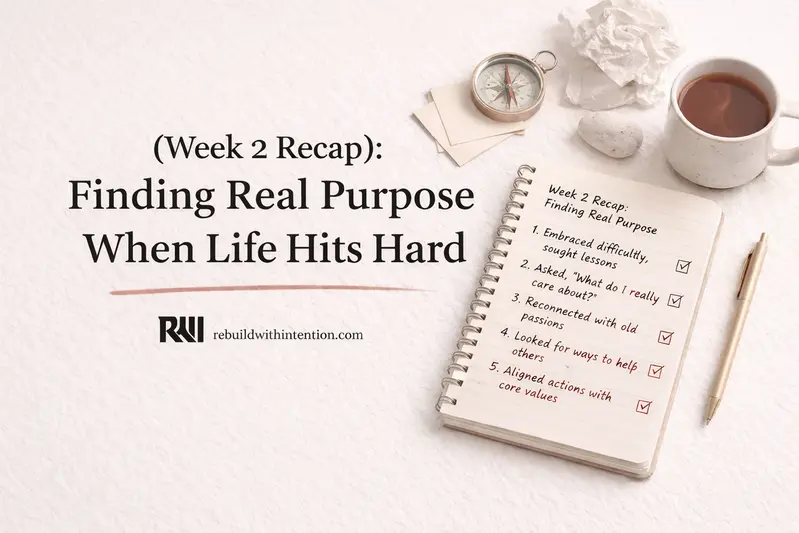
Today is 14 days into the reset. It may seem like I haven’t achieved much over the past two weeks, but I know that sooner or later, everything will come together and make sense.
Rome wasn’t built in a day. It’s repeated actions, performed consistently, that build habits. My situation hasn’t changed—in fact, it has drastically worsened.
But my mental health, my willpower, and the sense of purpose I lost over the years are returning, stronger than I ever imagined.
I haven’t felt like this in years. It’s like I’ve been in a trance, and now everything is coming back to me and finally making sense.
Day 8: The Shortcut
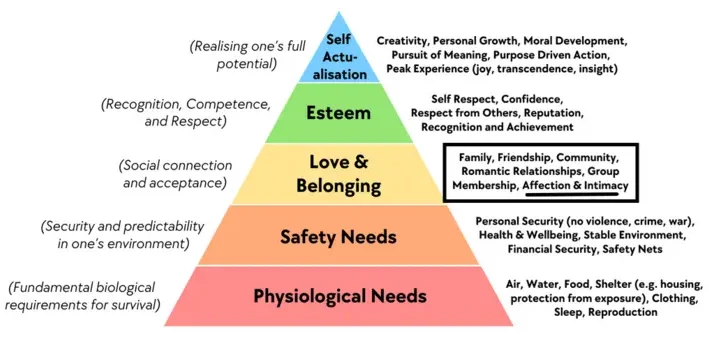
The real shift during this second week began when I stumbled across Abraham Maslow’s hierarchy of needs.
At the base are basic survival needs. Once those are met, you move to security, then relationships, and so on. Looking at that framework, something finally clicked for me:
PMO creates a shortcut.
It gives me the dopamine and emotional highs that are supposed to come from fulfilling those needs naturally—from building, achieving, connecting, and progressing.
I’ve realized that instead of experiencing feelings gradually, I’ve been jumping straight to the end result. This approach often leaves me feeling unfulfilled.
When people have a genuine connection with their partner, there’s a deep sense of satisfaction, appreciation, and gratitude.
However, when I rely on adult content, it skips over those important emotional connections, leaving me feeling empty inside.
Knowing the science behind it—that it triggers higher, sustained dopamine spikes than natural intimacy—reminded me why abstinence feels so uncomfortable right now.
My brain is just recalibrating.
Before modern technology, people got their dopamine from real effort. Today, we can get that same dopamine in minutes without doing anything real.
So, I made a decision:
I am choosing not to take shortcuts anymore. I will build. I will learn. I will try. I will fail. And I will keep going until I succeed.
One of the biggest lies I told myself was, “I’ve learned so much online over the years—I already know what to do.” But knowing is not the same as doing.
At this point, I don’t care about being right; I care about getting my life back, even if it means waking up every day and reminding myself of that fact.
Days 9 & 10: Sleep, Routine, and Hustle

Putting that into practice meant stripping away distractions. I added morning exercise to my routine and immediately experienced boredom in a way I hadn’t felt in years.
I wanted to escape into games or movies, but thankfully, I had already made them inaccessible. I wanted to turn to YouTube, but I had disabled it, and I was too lazy to enable it again, so I chose to read instead.
Turning off my mobile data and removing apps created space for that boredom.
I read that limiting smartphone use improves mental health, sleep, and attention, and it’s true—it’s working for me.
I also stopped using my brain as a filing cabinet and stopped bottling up my emotions. Google Tasks and Google Keep have been incredibly helpful for documenting my journey.
But maintaining this mindset requires strict sleep hygiene. So, I started making sure I was asleep by 11 p.m. or 12 a.m.
Energy drinks, late-night movies, games, and working overnight all stop me from starting my mornings well. One badly timed energy drink almost ruined my routine entirely, keeping me awake past midnight.
Instead of reaching for my phone for a quick dopamine hit, I played a recorded lecture from my mentor, Jim Rohn, and was asleep within 25 minutes.
That rest is critical because a typical Monday in a busy city like Lagos is completely draining. My brain is fried by the time I get back from my 6-to-4 job around 5 p.m.
Later in the evenings, sitting outside for some fresh air, my eyes and brain would go to war. Living in a crowded neighborhood means I can’t control every image around me.
My conscious mind had to stand guard, filtering the triggering scenes my brain was trying to process from what my eyes were actually seeing.
When temptation knocked, putting on headphones and blasting music helped redirect my attention. I just kept repeating my “why”—to regain my life and break this generational cycle of poverty and addiction.
Day 11: The 3 a.m. Routine
Because my evenings were so exhausting, studying my new high-income skill—Data Analysis—started to feel forced.
I understood that if I want to switch to a new job field, I need to focus all my energy on my goals, not just the energy I have left over.
So, I changed my daily schedule. I decided to wake up early in the morning to work on myself.
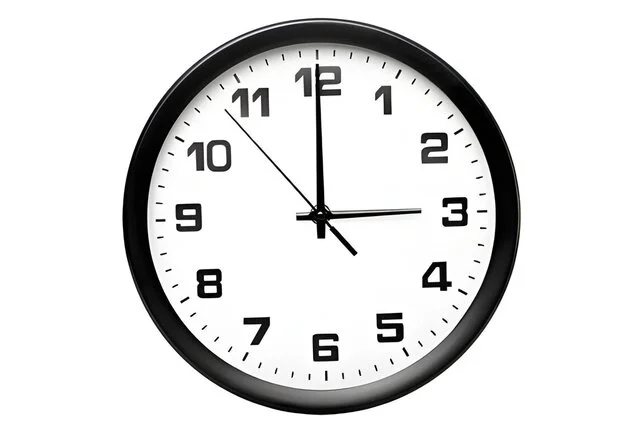
I started going to bed earlier so I could wake up at 3 a.m. My new routine is: 20 minutes of prayer, 10 minutes of simple exercise, 20 minutes of writing in my journal, and 50 minutes of learning something new.
Waking up at early gives me the edge to practice my new skills when my energy is at its peak. By the time I get home from work, I only have to practice what I learned.
Day 12: Temptation and Losing Everything (Again)

This journey might seems easy just because I’m organizing my thoughts clearly. But It’s not. If there was a day that could have broken me, it was the middle of this past week.
First, I lost my phone on my way to work—it was robbed. Then, later that same day, our operations manager was laid off, and as part of the team, we had to leave with him. I lost my job.
They still owe us our salaries from January to March, and I had to borrow money to get through the month. A few years ago, a situation like this would have really upset me.
I would have felt a strong urge to use old habits to escape the pain. I’ve learned to start fresh many times, which is probably why losing my phone didn’t bother me that much.
When I got back home that evening, the universe tested me again. A mother figure in our community lent me her phone so I could get through the overnight blackouts.
While checking the recycle bin to clear some space, I saw some inappropriate pictures that had been deleted. It hit me differently at first. I had second thoughts. But after a moment, I deleted them.
I realized I want to be able to write about overcoming temptation. The system built around the less privileged in Nigeria will give you hundreds of reasons to fail, but not this time.
I treated these losses as tests. Losing my phone actually forced me into a digital detox and proved I could still be productive on my PC.
When the chaos hit, journaling was the only thing that kept me from spiraling. It gave me a lifeline to process my anger and fear.
Days 14: Turning the Mind Back On

Fourteen days in, I am broke, jobless, and phoneless. But I know what led me into this addiction, and I know what it has cost me.
At some point, I deliberately shut my brain down because I believed I couldn’t control my desires. I convinced myself I had no self-control. But I don’t accept that anymore. I turned my mind back on.
One of the greatest secrets keeping me disciplined is understanding the subconscious mind.
Our subconscious mind doesn’t judge whether something is good or bad—it just simply replays what you feed it.
I know if I watch content with romance, explicit imagery, or suggestive scenes, my mind will expands on it. That curiosity will leads to relapse. So I cut out anything that feeds those images.
Instead, I deliberately feed my mind what I want it to focus on. I keep repeating: I love writing. I want to keep writing. Now my subconscious believes it. Writing feels natural. I don’t wait for motivation—I just do it.
Quitting PMO is a decision you make daily. Every morning feels like a reset. I treat each day intentionally. I write things down, set clear goals, and follow through.
Missing a session or facing a crisis doesn’t wipe out all your progress; you just have to focus on getting back to the routine the next morning.
Rejecting these shortcuts is forcing me to build real skills and actual resilience.
Turning off my phone, waking up very early, and writing through my crises haven’t magically solved all my problems, but they have restored my mental health, my willpower, and my sense of purpose.
What Worked in Week 2
⦿ Rejecting the Dopamine Shortcut:
Figuring out Maslow’s hierarchy of needs and how our brain’s reward system operates really opened my eyes to something important. Adult content makes me feel like I’m fulfilling my deep needs, but it’s really just a shortcut.
Learning that it causes bigger and longer feelings of pleasure than real intimacy helped me remember why staying away from it feels so hard right now. My brain is just getting back to normal.
⦿ Taking Control of My Screen Time:
Turning off my data and removing apps gave me space actually to feel bored, which pushed me to read.
I read that limiting smartphone use improves mental health, sleep, and attention, and honestly? It’s true. It’s working for me.
⦿ My Morning Routine and Sleep:
Waking up early gives me the edge to practice my new skills when my energy is at its peak.
I forced myself to stick to a bedtime and cut out caffeine late in the day. I know that REM sleep helps process emotions, so cutting stimulants and winding down at night has been a game-changer.
⦿ Writing Through the Chaos:
When I lost my job and my phone on the same day, journaling was the only thing that kept me from spiraling.
Research says it builds self-awareness and accountability, but for me, it was just a lifeline to process my emotions.
⦿ Community and Accountability:
Knowing I was going to share this progress kept me on track. Having support and putting this out there protects me from falling back.
What Challenged Me and How I Adapted
⦿ Facing Visual Triggers:
Living in a crowded Lagos neighborhood means I can’t control what I see outside my window. When temptation knocked, putting on headphones and blasting music helped redirect my attention. I just kept repeating my “why”—to regain my life and break this generational cycle of poverty and addiction.
⦿ Losing My Job and Phone:
This time, I didn’t let myself get upset. I saw these losses as challenges to overcome. When I lost my phone, it helped me take a break from being online all the time. I realized I could still get things done using my computer and with fewer gadgets.
⦿ Managing Caffeine and Sleep:
One time, I drank an energy drink at the wrong moment, and it almost ruined my whole day. Now, I have stopped drinking them completely. Instead, I drink water and eat fruit to stay energized.
⦿ Sticking to Routines During Chaos:
I learned that if I miss one exercise or part of my routine, it doesn’t mean I’ve lost all my hard work. When things get busy or crazy, I don’t get upset with myself. I focus on getting back to my routine the next day.
Key Lessons for Your Own Journey
1. Understand Why You Seek Shortcuts: You have to recognize that PMO is just exploiting your brain’s reward system. It’s a false promise.
You need to replace it with real activities that meet your needs—like learning, exercising, or connecting with people.
2. Design Your Environment: Identify what triggers you—whether it’s emotional, environmental, or just a bad habit—and remove it. Prevention will always beat sheer willpower.
3. Have a Bedtime Routine: Go to bed at the same time every night. Stay away from screens and caffeine-containing drinks before bedtime. Getting enough sleep and exercising regularly can really improve your mood.
4. Keep a Daily Journal: Journaling everyday will help you clarify your mind. You will be able to recognize patterns and provides a safe outlet for your emotions.
5. The Power of the Compound Effect: Real progress comes from consistently taking small steps. If you slip up and miss a day, don’t see it as a failure. Just keep pushing ahead.
Moving Forward
During Week 2, I realized that recovery isn’t always straightforward. By turning down quick fixes, I’m acquiring valuable skills and building resilience.
Turning off my phone, waking up at 3 a.m., and writing during tough times hasn’t made all my problems disappear, but it has helped improve my mental health, my motivation, and my sense of purpose.
It’s important to pay attention to the changes inside us—like being able to wait for what we want, understanding our reasons for doing things, and finding clarity from a good daily routine.
Let’s work hard without taking shortcuts and take back control of our futures together.